TL;DR: The 2026 SEO Blueprint
If you’re in a rush, here is the “cheat sheet” for winning at search this year:
- Focus on Humans: Google’s algorithms now prioritize “Experience” (the extra ‘E’ in E-E-A-T) over perfect keyword density.
- Optimize for AI: With 60% of searches ending without a click due to AI Overviews, focus on being the source that AI cites.
- Speed & Mobile: Core Web Vitals aren’t optional; 63% of global traffic is now mobile.
- Topic Clusters: Stop writing random posts. Build “hubs” of content to prove topical authority.
The New Reality of Searching
Remember when SEO was just about sprinkling a few keywords onto a page and waiting for the magic to happen? I do. It felt like a secret code you could crack if you just knew the right density percentage.
But things have changed. In 2026, the game isn’t about outsmarting a bot; it’s about out-helping your competitor. When we talk about a modern SEO strategy, we aren’t just talking about rankings. We’re talking about survival in a world where AI answers questions before a user even clicks.
Let’s look at the numbers. Recent data shows that 60% of Google searches now end without a single click. Why? Because Google’s AI Overviews (SGE) are giving people the answer immediately. If your SEO strategy still relies on basic informational “how-to” articles, you’re essentially working for free to train Google’s AI.
To win now, you have to provide something AI can’t: a unique perspective, real-world data, and a brand personality that people actually want to follow.
The Shift from Keywords to Intent
Keywords are still the foundation, but “search intent” is the house we build on top of it. If someone searches for “best SEO tools,” they aren’t looking for a history of software; they want a comparison.
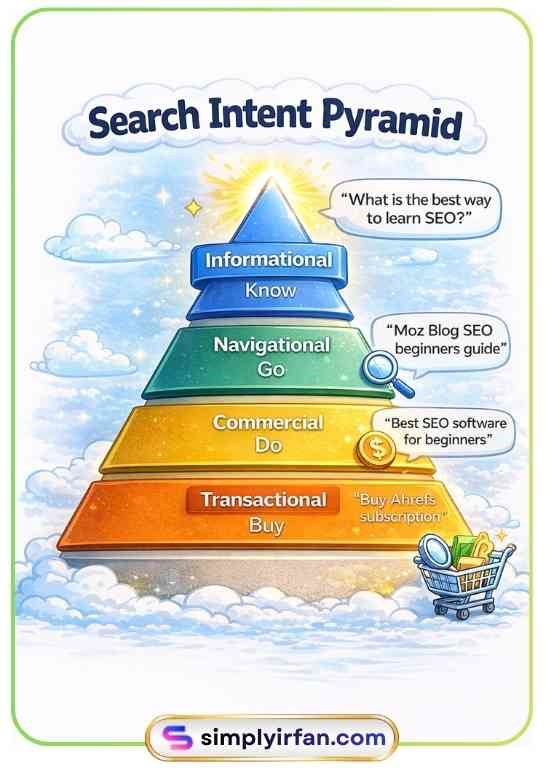
If your content doesn’t match that commercial intent immediately, they’ll bounce faster than a rubber ball on concrete. In 2026, Google is smart enough to know if your page actually satisfied the user.
Why E-E-A-T is Your Secret Weapon
You’ve probably heard of E-A-T, but now we have E-E-A-T: Experience, Expertise, Authoritativeness, and Trustworthiness.
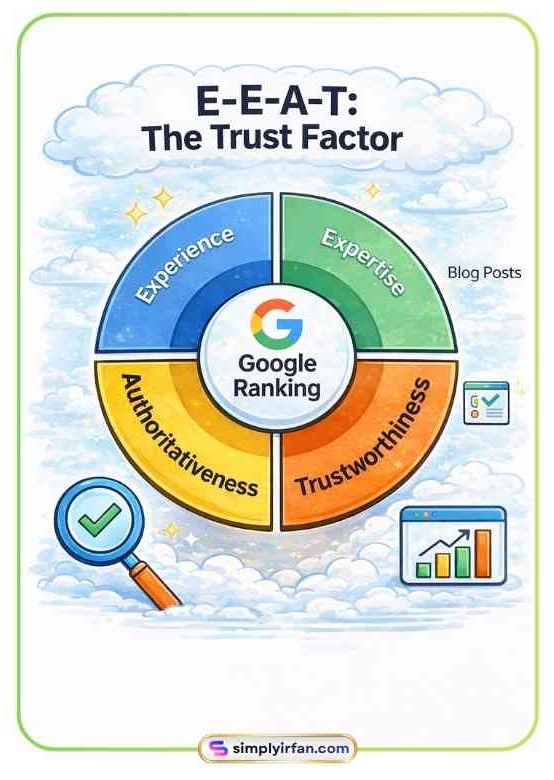
The “Experience” part is the most critical shift lately. Google wants to see that you’ve actually used the product you’re reviewing or lived through the situation you’re describing.
Personal stories, original photos, and unique data points are the only things AI can’t fake (yet). This is why a “humanized” SEO strategy is actually more effective for rankings than a technical, robotic one.
Building a Strategy That Actually Scales
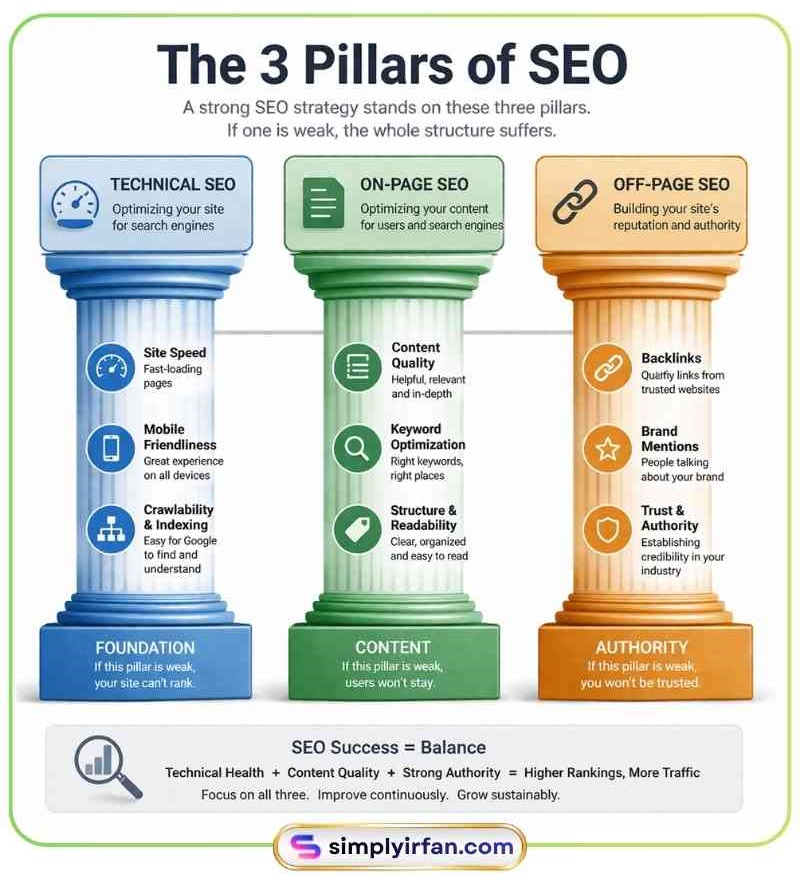
Let’s get into the “how-to.” A successful SEO strategy is like a three-legged stool: Content, Technical, and Authority. If one leg is shorter than the others, the whole thing topples over.
Most people spend 90% of their time on content and 10% on the other two. In 2026, that’s a recipe for sitting on page five. You need a balanced approach.
The Power of Topical Authority
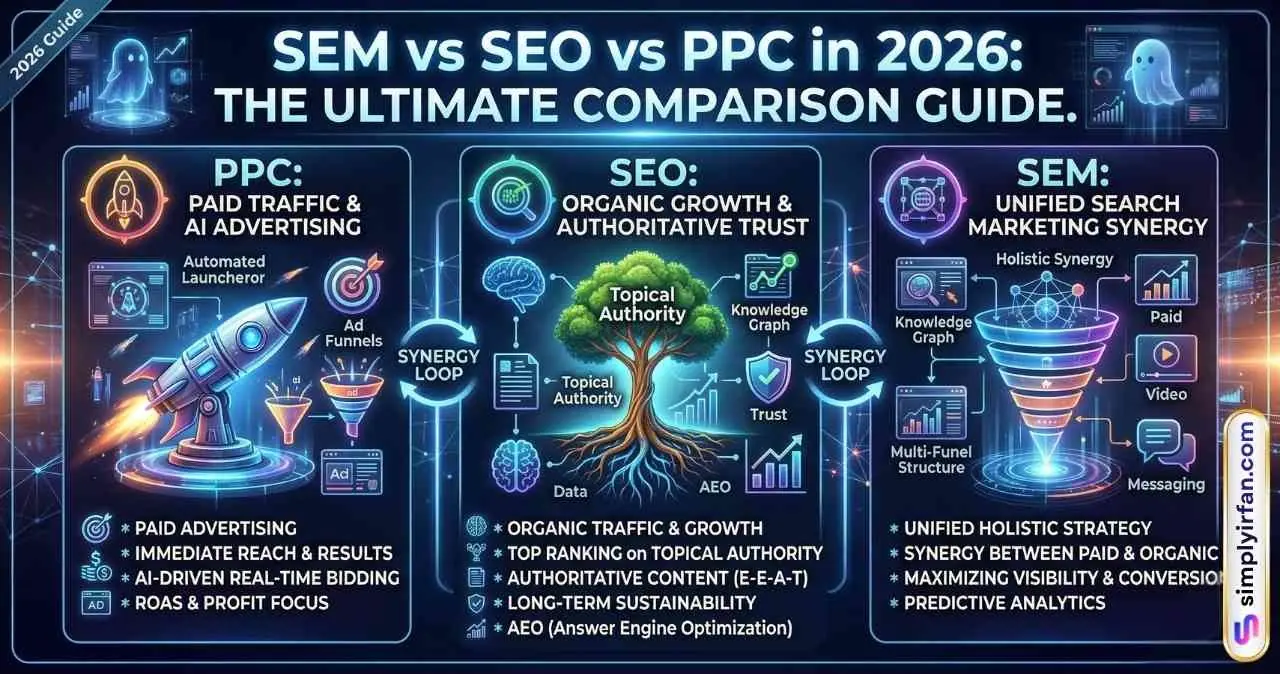
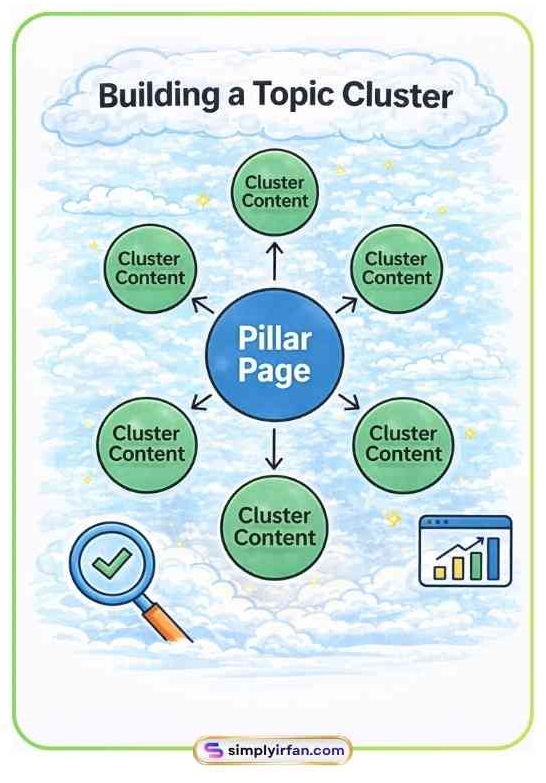
Instead of trying to rank for a thousand random keywords, focus on becoming the “Wikipedia” of your specific niche. This is called “Topic Clustering.”
You create one massive “pillar” page about a broad topic (like “Digital Marketing”) and then dozens of smaller “cluster” pages that link back to it (like “Email Marketing Tips,” “Social Media Trends,” etc.).
This tells search engines: “Hey, I don’t just know one thing; I know everything about this subject.” Statistics show that sites using topic clusters see a significantly higher “topical authority” score and rank for long-tail keywords much faster.
Technical SEO: The Silent Killer
You could have the best content in the world, but if your site takes 5 seconds to load on a smartphone, nobody will ever see it.
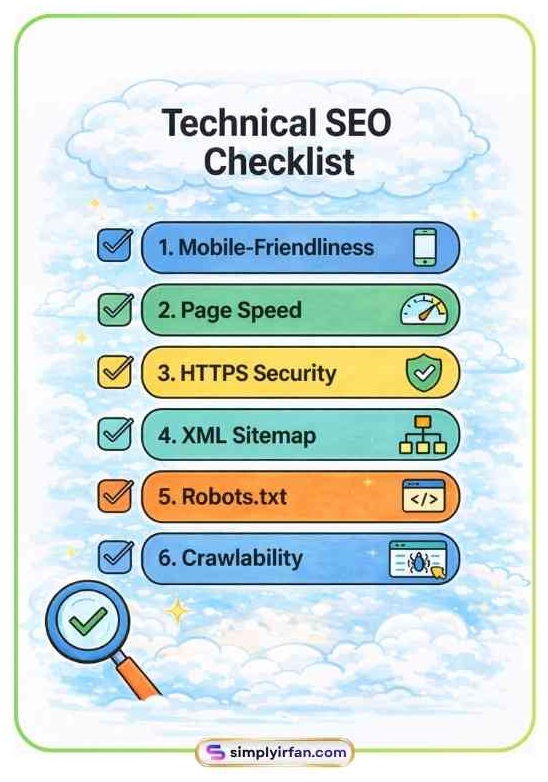
As of 2026, mobile devices drive over 62% of global website traffic. If your site isn’t “mobile-first,” you’re essentially invisible to the majority of the world.
| Feature | Importance in 2026 | Impact on Strategy |
| Site Speed | Critical | High bounce rates if > 2.5s |
| AI Optimization (GEO) | Emerging | Being cited in AI Overviews |
| Core Web Vitals | High | Direct ranking signal from Google |
| Backlink Quality | Medium-High | Proves your site is “vouched for” |
Strategic SEO vs. Traditional Tactics
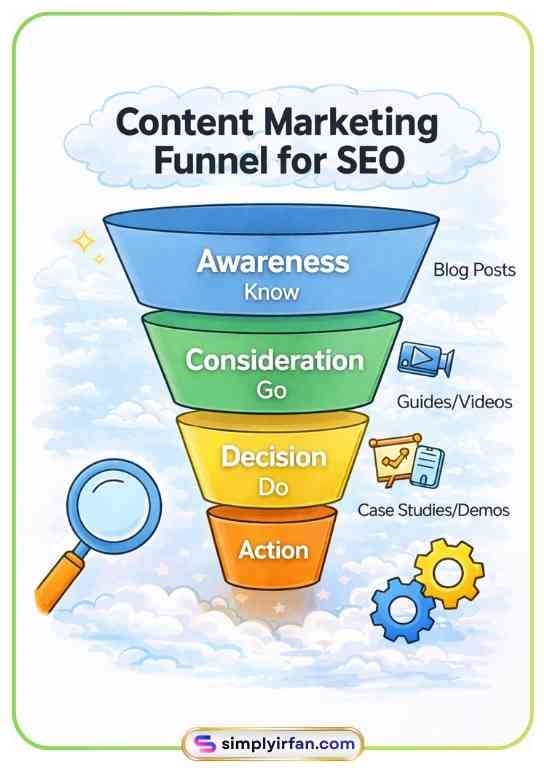
A lot of people confuse tactics with strategy. A tactic is “I’m going to write a blog post.” A strategy is “I’m going to create a series of case studies to capture high-intent buyers in the consideration phase.”
| Traditional SEO (Tactics) | Strategic SEO (The Plan) |
| High-volume keyword hunting | Intent-based topic mapping |
| Chasing any backlink | Digital PR and relationship building |
| Writing for bots | Writing for “The Smart Friend” |
| Monthly ranking reports | Focus on ROI and conversion |
Content That Humans (and AI) Love
The biggest mistake people make in their SEO strategy today is writing content that feels like a textbook. Stop it. People don’t read textbooks for fun; they read stories.
When you’re writing, imagine you’re sitting at a coffee shop with a friend. You wouldn’t say, “The utilization of search engine optimization parameters is vital for digital visibility.” You’d say, “Look, if you want people to find your site, you’ve gotta make Google happy, but you’ve gotta make your readers happier.”
Data and Statistics: The “Proof” Factor
In a world full of AI-generated fluff, hard data is your best friend. Including original statistics can boost your visibility in AI responses by up to 28%.
For example, did you know that the top 3 organic results on Google receive 68.7% of all clicks? Or that 15% of daily searches are brand new queries Google has never seen before?
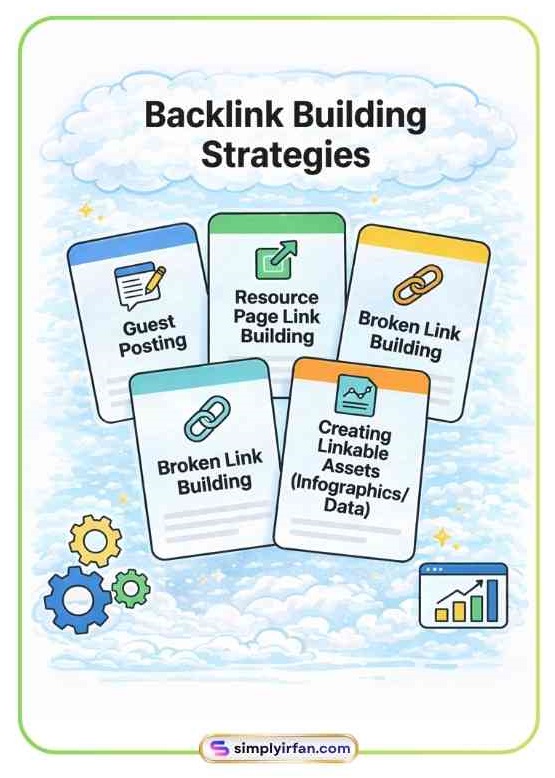
Using these nuggets of info doesn’t just make you look smart; it makes your content “citable.” When other sites cite your data, you get those precious backlinks that boost your authority.
Formatting for the Modern Reader
We are a generation of “scanners.” We don’t read every word; we look for headers, bold text, and bullet points.
- Keep paragraphs short. 2–4 lines is the sweet spot.
- Use bolding to highlight the most important parts of a sentence.
- Use lists (like this one!) to break up complex ideas.
FAQ: Your SEO Strategy Questions Answered
1. Is SEO still relevant with AI search? Absolutely. While AI (like ChatGPT or Google Gemini) provides direct answers, it still needs to source that information from somewhere. A modern SEO strategy focuses on being that authoritative source so you get the “citation” traffic.
2. How long does it take to see results? SEO is a marathon, not a sprint. Typically, you’ll start seeing meaningful movement in 3–6 months, though some “low-hanging fruit” keywords can rank in weeks if your technical foundation is strong.
3. Do I need to be a coder to do technical SEO? Not necessarily. Most modern platforms (like WordPress) have plugins that handle the heavy lifting. However, understanding the basics of site speed and “crawlability” is essential for any digital marketer.
4. How many keywords should I target per page? Focus on one primary keyword (like SEO strategy) and 5–8 secondary, related terms. Don’t force them; if you write a truly helpful article, they will naturally appear in your text.
5. Are backlinks still important? Yes, but quality beats quantity every time. One link from a high-authority site in your niche is worth more than 1,000 links from random, low-quality directories.
The Path Forward
Winning at SEO in 2026 isn’t about chasing the latest algorithm update with panic in your eyes. It’s about building something of value.
If you focus on creating a SEO strategy that prioritizes the user experience, answers real questions with genuine expertise, and maintains a clean technical house, the rankings will follow.
Remember, Google’s goal is to find the best answer. Your goal is to be the best answer.
Ready to stop guessing and start growing? Audit your existing content today. Look for those “thin” posts that aren’t providing value and either beef them up or delete them. The web has enough noise—be the signal.
Need help refining your approach? Let’s chat about how to turn your site into a search powerhouse.
Also See: