
TL;DR: SEO for Small Business in 2026
- What it is: A process of making your website visible to people searching for your services on Google and AI engines.
- The Big Shift: SEO is no longer just about keywords; it’s about Experience, Expertise, Authoritativeness, and Trust (E-E-A-T).
- Local Focus: For small shops, Local SEO and Google Business Profile management are the #1 priorities.
- AI Impact: Search is becoming “Answer-driven.” Your content needs to provide direct, citable facts to show up in AI Overviews.
- Bottom Line: Consistency in reviews, technical speed, and helpful content leads to a higher ROI than paid ads over time.
The Secret Sauce: How Small Business SEO Actually Happens
Imagine you own a cozy Italian bistro in a quiet corner of the city. You make the best lasagna in town, but the street outside is empty. Across town, a generic chain restaurant is packed. Why? Because when people search for “best pasta near me,” the chain pops up first, draped in five-star reviews and a shiny “Order Now” button.
That gap between having a great product and having a crowd at your door is what SEO for small business fixes. In 2026, SEO isn’t just about “tricking” an algorithm. It’s about building a digital bridge so your future customers can actually find you.
SEO services work like a personal trainer for your website. You don’t see a six-pack overnight. Instead, it’s a series of small, strategic moves—fixing your site’s speed, writing articles that actually help people, and making sure Google knows exactly where you are located. It’s the art of being the “obvious choice” when someone asks a search engine for help.
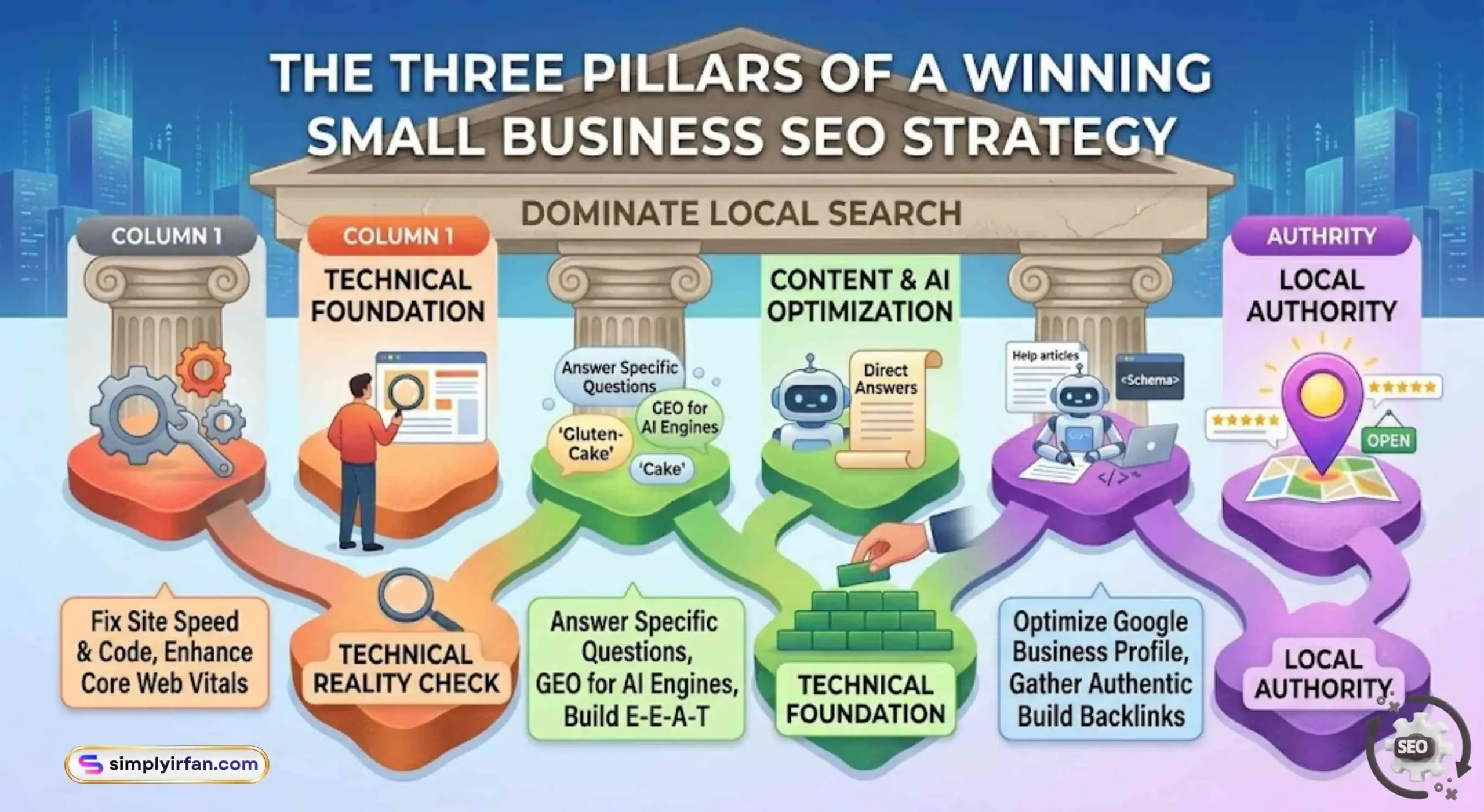
The Three Pillars of a Winning Strategy
When you hire a pro to handle your SEO, they usually break their work into three big buckets. Think of these as the foundation, the walls, and the curb appeal of your digital storefront.
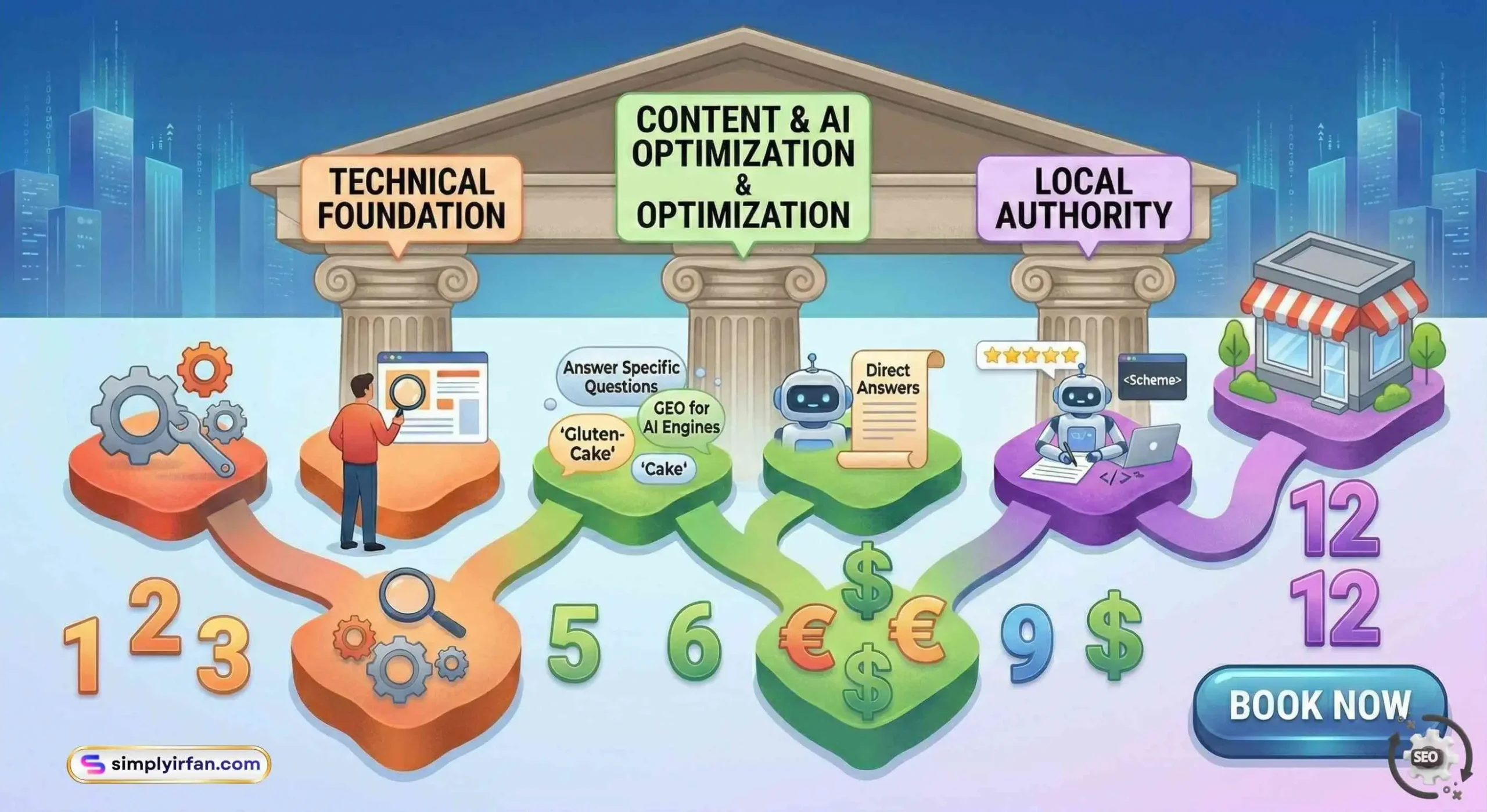
1. The Technical Foundation (The “Under the Hood” Stuff)
If your website takes five seconds to load, your customers are gone before they see your logo. In 2026, “Core Web Vitals” are king. An SEO service will clean up your code, compress your images, and ensure your site looks perfect on a smartphone. If the foundation is shaky, no amount of fancy content will save you.
2. Content & AI Optimization (The Conversation)
Search has changed. People don’t just type “plumber” anymore; they ask their phone, “How do I fix a leaky pipe in the kitchen?” SEO services now focus on Generative Engine Optimization (GEO). This means writing content that answers specific questions so clearly that Google’s AI wants to quote you in its summary.
3. Local Authority (The Reputation)
For a small business, Local SEO is your bread and butter. This involves managing your Google Business Profile, ensuring your address is consistent across the web (NAP: Name, Address, Phone), and gathering authentic reviews. It’s about winning the “Map Pack”—those top three spots on the map that get 42% of all clicks.
Why Statistics Favor the Patient Business Owner
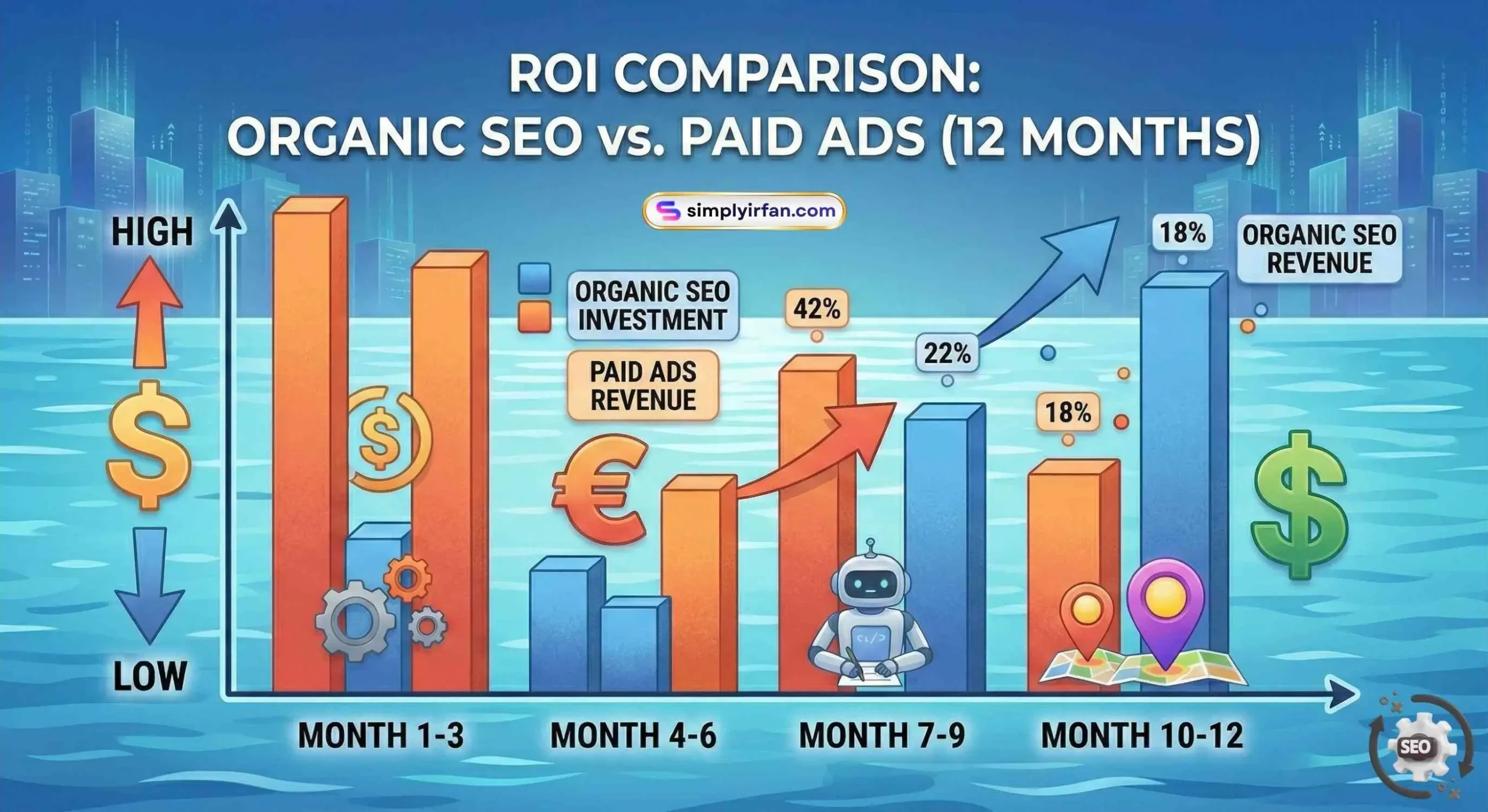
You might be wondering, “Is it worth the money?” The data suggests that while paid ads give you a quick hit, SEO builds a long-term asset. In 2026, the digital landscape is more competitive than ever, but the rewards for those who rank are massive.
SEO Growth Metrics for 2026
| Metric | Impact on Small Business |
| Local Search Intent | 46% of all Google searches are looking for local information. |
| Zero-Click Searches | 60% of searches end without a click because AI answers the query directly. |
| Action Rate | 18% of local mobile searches lead to a purchase within 24 hours. |
| Trust Factor | 99% of consumers read online reviews before choosing a local business. |
As you can see, the game has shifted toward immediacy. If you aren’t in those top results or the AI summary, you aren’t just losing “traffic”—you’re losing customers who are ready to buy right now.
The Step-by-Step Process: From Invisible to Incredible
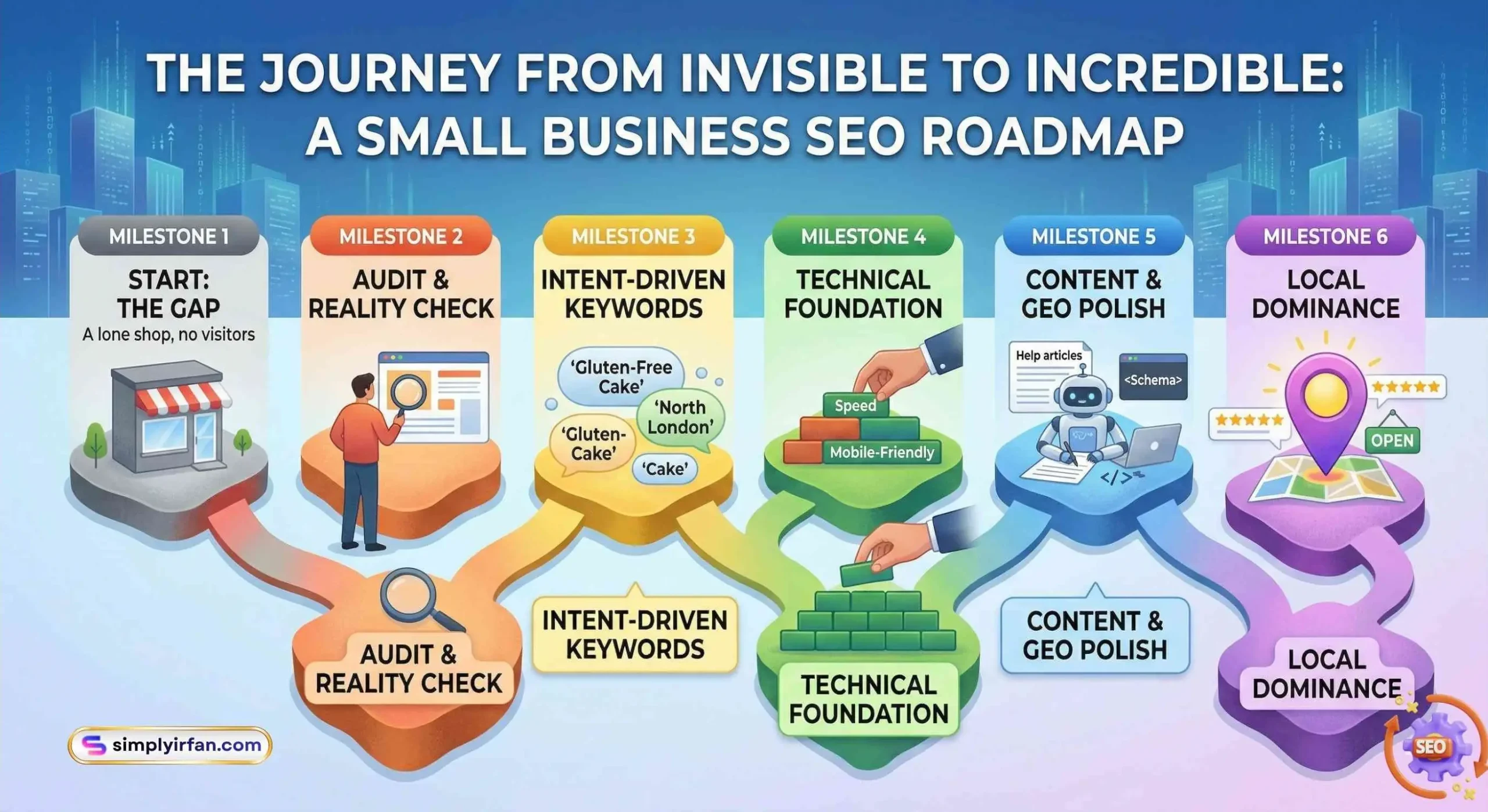
When an agency starts working on your SEO, they don’t just start typing. They follow a roadmap designed to turn your website into a lead-generation machine. Here is how that journey usually looks:
Phase 1: The Audit and the “Reality Check”
First, they look at what’s broken. They’ll check your “Technical SEO” to see if Google can even read your site. They’ll look at your competitors to see why they are beating you. This isn’t just about keywords; it’s about finding the gaps in your digital presence.
Phase 2: Intent-Driven Keyword Research
We no longer live in the world of “keyword stuffing.” Today, it’s about Search Intent. An SEO expert will find long-tail keywords that your customers actually use. Instead of just “bakery,” they’ll target “gluten-free birthday cakes in North London.” This brings you smaller, but much more “ready-to-buy” traffic.
Phase 3: On-Page and GEO Polish
This is where the magic happens. Your team will update your meta titles and meta descriptions to make them irresistible to click. They’ll add Schema Markup—a special code that helps AI understand your business hours, prices, and reviews.
Phase 4: Building Your Digital “Street Cred”
Off-page SEO is essentially a popularity contest. Your SEO service will work on getting other reputable websites to link to yours. These “backlinks” act like votes of confidence. In 2026, a link from a local news site or a niche industry blog is worth more than a hundred low-quality links from random sites.
Phase 5: The Local Dominance Play
This is specifically for Local SEO. They will optimize your Google Business Profile, add high-quality photos of your office or products, and help you set up a system to get more customer reviews.
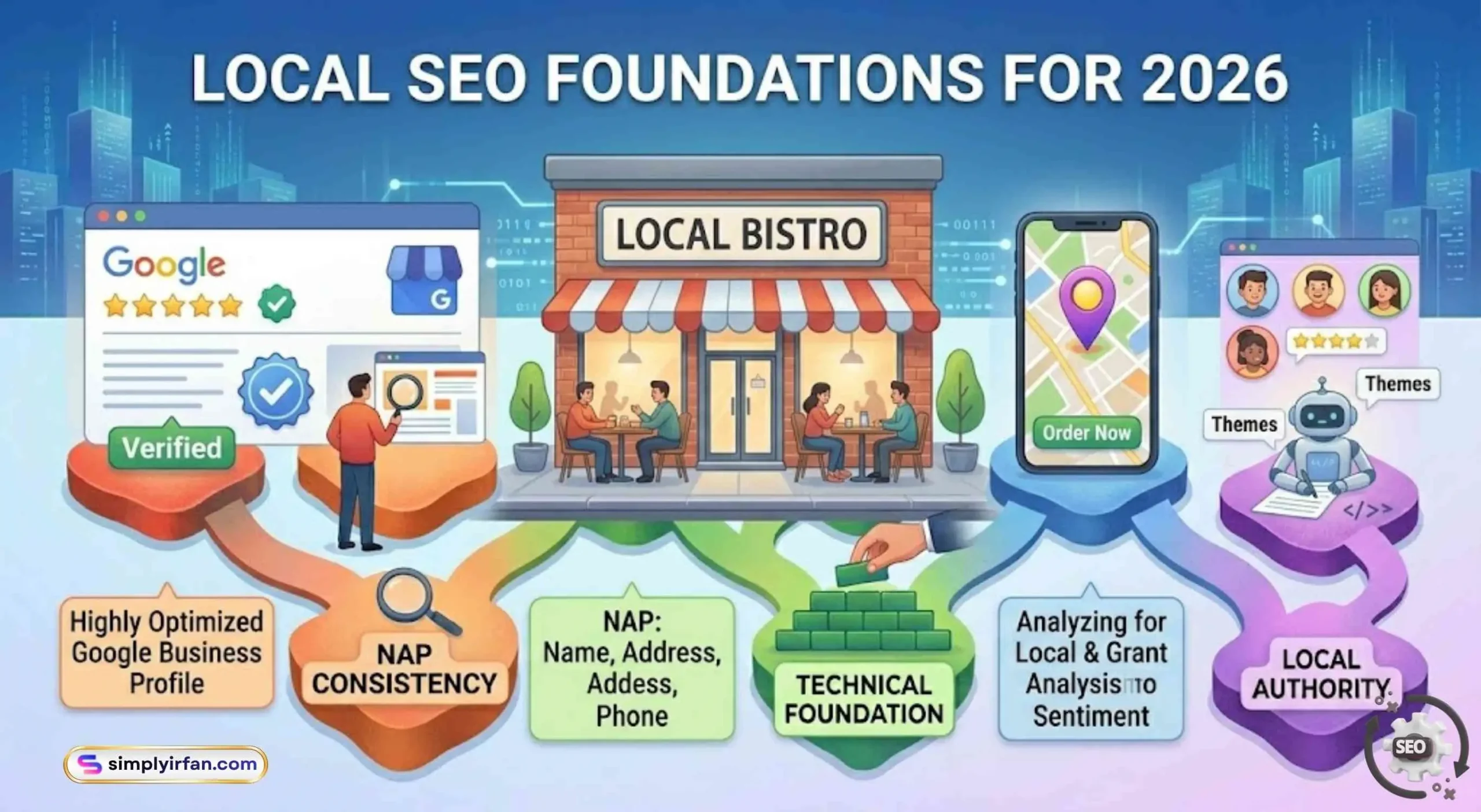
In 2026, AI evaluates the themes in your reviews. If your reviews constantly mention “fast delivery,” AI engines are more likely to recommend you when someone searches for “quick service near me.”
The Cost of Success: Budgeting for 2026
SEO is an investment, not an expense. However, the price varies wildly depending on who you hire and how competitive your city is. A plumber in Manhattan will pay more for SEO than a florist in a small town.
Average SEO Costs (Monthly Retainer)
| Provider Type | Monthly Cost (Approx.) | Best For… |
| Freelancer | $500 – $1,500 | Startups & very small shops |
| Boutique Agency | $1,500 – $4,000 | Growing local businesses |
| Full-Service Agency | $4,000 – $10,000+ | Multi-location or E-commerce |
Investing in a mid-size agency often provides the best balance of personal touch and deep expertise. They have the tools to track your progress and the creative power to outshine the big corporations.
Common Questions About Small Business SEO
1. How long does it take to see results?
Typically, you’ll see some movement in 3 months, but significant “bottom-line” results usually take 6 to 12 months. SEO is a marathon. It’s about building authority that sticks.
2. Can I do SEO myself?
You can certainly do the basics—like claiming your Google Business Profile and writing blog posts. However, the technical side and the link-building strategy usually require a professional if you want to compete in a crowded market.
3. Is AI search (SGE) going to kill SEO?
Quite the opposite! AI is just a new way to search. SEO services now include “GEO” to ensure your business is the one the AI recommends. If you don’t optimize for AI, that is when you become invisible.
4. Why is my competitor ranking higher with fewer reviews?
Reviews are only one part of the puzzle. They might have a faster website, better “Topical Authority” (more in-depth content about their service), or higher-quality backlinks. A good SEO audit will tell you exactly what their “secret” is.
5. Do I need to keep paying for SEO once I’m #1?
Yes, though the strategy might shift. Your competitors are constantly trying to take your spot. SEO is like lawn maintenance; if you stop mowing, the weeds (competitors) will eventually take over.
The Path Forward: Taking the First Step
At the end of the day, SEO for small business is about one thing: Trust. Google wants to show its users the most trustworthy, relevant, and helpful business. By investing in SEO services, you aren’t just chasing an algorithm—you’re proving to the world that you are the best at what you do.
Start small. Fix your site speed, update your business hours, and start answering your customers’ most common questions on your blog. Or, find a partner who lives and breathes this stuff so you can get back to running your business.
The digital world is moving fast, but there is always a spot at the top for a business that cares about its customers. Ready to get found?
Ready to dominate your local market? Contact our team today for a free SEO audit and let’s start building your digital authority.
Also See: